All Categories
- ATEN
- EPSON
- HISENSE
-
AV Signal Distribution
In AV Signal Distribution
- JK
-
Screens
In Screens
-
Projector
-
Cables
In Cables
- DTECH
- Business
- VISION
-
Projector Bracket
In Projector Bracket
-
Digital Signage Solutions
In Digital Signage Solutions
Brands
-
Audio
In Audio














All Categories
- ATEN
- EPSON
- HISENSE
-
AV Signal Distribution
In AV Signal Distribution
- JK
-
Screens
In Screens
-
Projector
-
Cables
In Cables
- DTECH
- Business
- VISION
-
Projector Bracket
In Projector Bracket
-
Digital Signage Solutions
In Digital Signage Solutions
Brands
-
Audio
In Audio

BROWSE CATEGORIES
Help
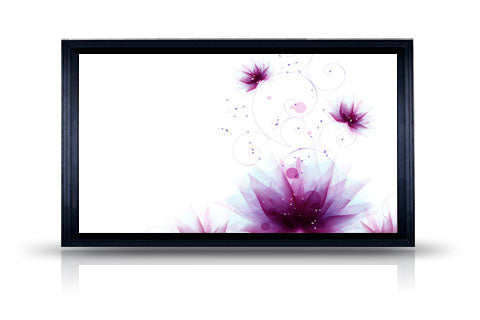
Fixed Frame
JK Fixed Frame Screen, 100″, 4:3 Aspect Ratio, Matt White Fabric – F4100
R6,767.46
Matt white 4:3 screen on a 100" (254 cm) fixed frame, for XGA projectors and rooms that show more documents than widescreen video.
- Picture area 2030 x 1520 mm
- 2190 x 1680 mm overall, 8 cm black velvet frame
- 18.5 kg gross weight
- The only 4:3 size in JK's fixed frame range
- Brand :JK
- SKU :JK-F4100
- Category :Fixed Frame
- Availability :
 In Stock
1 in stock
JK’s 100″ (254 cm) 4:3 fixed frame, the JK-F4 100, stretches matt white fabric across a 2030 x 1520 mm picture inside 8 cm of black velvet. That shape matches XGA (1024 x 768) projectors, and the extra height suits documents and slides read from the back of a deep room. The frame takes 2190 x 1680 mm of wall, 275 mm taller than JK’s 100-inch 16:9 frame.
When a 4:3 screen is the right shape
An XGA projector’s 1024 x 768 image has the same 4:3 shape as this picture and fills it exactly. The height also helps with portrait material: an A4 page sized to the screen’s height stands 1520 mm tall here, against 1245 mm on JK’s 100-inch 16:9 frame, 22% taller, so a scanned page or a document camera image is easier to read from the back.
Widescreen sources are the limitation: a 16:10 or 16:9 laptop or projector fills the width but leaves part of the height unused. If most of what you show is widescreen, the JK-F9 100 16:9 frame matches it better.
Throw distance with an Epson EB-X49
The Epson EB-X49 is a 3,600-lumen XGA projector whose 1.2x zoom covers throw ratios of 1.48 to 1.77:1. With the 2.03 m picture width, its lens has to be between about 3.00 m and 3.59 m from the screen to fill it. That leaves less than 0.6 m of adjustment, so fix the projector position from these figures before the mount goes up.
Room depth for a 1.52 m tall picture
Draper’s 4-6-8 rule ties the farthest seat to picture height. At 1520 mm, that allows about 6.1 m for detailed reading, 9.1 m for presentations and 12.2 m for video, against 7.5 m for presentations on JK’s 100-inch 16:9 screen. A classroom or lecture room about 9 m deep can follow slides from its back row.
Wall height, weight and assembly
The frame needs 1680 mm of clear wall height. Under a 2.7 m ceiling that leaves no more than about 1.0 m below the frame, even with its top edge against the ceiling, so check sightlines over the front row before settling the height. According to JK, frame and fabric weigh 18.5 kg gross and ship in a carton measuring 2345 x 180 x 145 mm. The screen is assembled on site, with a tension mechanism keeping the fabric flat.
Key specifications of the JK-F4 100
| Diagonal | 100″ (254 cm) |
|---|---|
| Aspect ratio | 4:3 |
| Viewing area | 2030 x 1520 mm |
| Fabric | Matt white |
| Velvet border width | 8 cm |
| Total frame size | 2190 x 1680 mm |
| Carton dimensions | 2345 x 180 x 145 mm |
| Weight (gross) | 18.5 kg |
| JK model | JK-F4 100 (F4100) |
Questions about the JK-F4 100
Can I use a widescreen projector on a 4:3 screen?
Yes, but part of the screen goes unused. Sized to the 2030 mm width, a 16:10 image is about 1269 mm tall and a 16:9 image about 1142 mm, leaving 251 mm or 378 mm of the 1520 mm height blank. Lining the image up with the top edge gathers that empty fabric into one strip at the bottom.
Is a 100-inch 4:3 screen bigger than a 100-inch 16:9?
In area, yes: 3.09 m² here against 2.76 m² on the JK-F9 100. The 16:9 picture is 185 mm wider, which suits widescreen video; this one gives more of its area to height, which is what 4:3 and portrait content use.
Does JK make other 4:3 fixed frame sizes?
Not in its fixed frame datasheet, which lists 4:3 at 100 inches only, with matt white fabric. For 4:3 in other sizes, JK’s manual pull-down screens run from 84 to 150 inches and roll away when not in use.
Are wall brackets supplied?
The datasheet does not mention any, so plan your own hanging hardware. It has to carry the 18.5 kg gross weight of frame and fabric and hold the 2190 mm wide frame level on your wall.
JK-F4 100
| Format | 4:3 |
|---|---|
| Diag. Size (inch) | 100" |
| Viewing area W x H (mm) | 2030 x 1520 |
| Screen Length (mm) | 2190 |
| Screen Height (mm) | 1680 |
| Dimension L x W x H | 2345 x 180 x145 |
| Gross Weight (kg) (Frame + Fabric | 18.5 |
You must be logged in to post a review.
You may also like these
JK
JK Fixed Frame Screen, 92", 16:10 Aspect Ratio, Matt White Fabric - F1092
R6,329.60
F1092 Out of Stock
JK
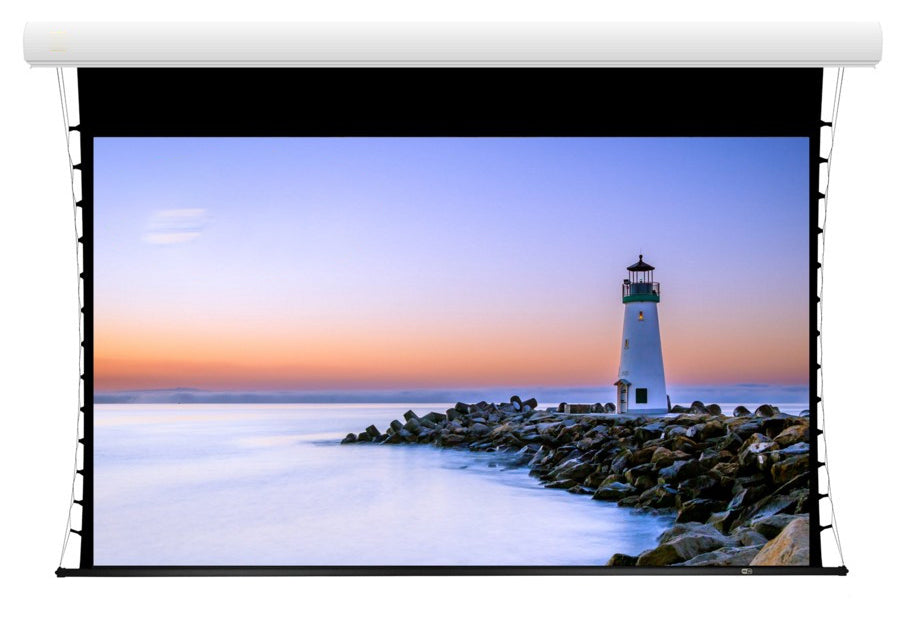
JK Electric HD Tab Screen, 133", 16:9 Aspect Ratio, Matt White Fabric - E9133HDT
R20,910.75
E9133HDT Out of Stock
JK
Low stock (3 left)
JK Fixed Thin Frame Screen, 119", 16:10 Aspect Ratio, Matt White Fabric - F10119TF
R10,483.25
F10119TF Low stock (3 left)
JK
In Stock
JK Fixed Frame Screen, 100", 16:9 Aspect Ratio, Matt White Fabric - F9100
R6,774.47
F9100 In Stock
JK
Low stock (1 left)
JK Electric In Ceiling Tab Tensioned Screen Screen, 92", 16:9 Aspect Ratio, Matt White Fabric - E992HDTIC
R16,502.17
E992HDTIC Low stock (1 left)
JK
Reviews
There are no reviews yet.