All Categories
- ATEN
- EPSON
- HISENSE
-
AV Signal Distribution
In AV Signal Distribution
- JK
-
Screens
In Screens
-
Projector
-
Cables
In Cables
- DTECH
- Business
- VISION
-
Projector Bracket
In Projector Bracket
-
Digital Signage Solutions
In Digital Signage Solutions
Brands
-
Audio
In Audio














All Categories
- ATEN
- EPSON
- HISENSE
-
AV Signal Distribution
In AV Signal Distribution
- JK
-
Screens
In Screens
-
Projector
-
Cables
In Cables
- DTECH
- Business
- VISION
-
Projector Bracket
In Projector Bracket
-
Digital Signage Solutions
In Digital Signage Solutions
Brands
-
Audio
In Audio

BROWSE CATEGORIES
Help
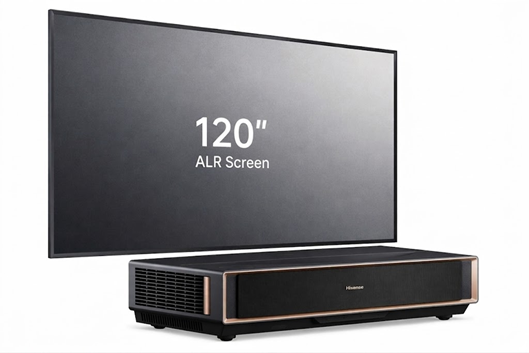
ALR
Hisense Laser Projection TV, 2500 Ansi Lumens, 4K resolution, UST, Incl 120″ ALR – 120PT1
R48,652.19
A 120-inch ALR screen with the Hisense PT1 laser TV, for a large lounge or a cinema room where you can dim the lights.
- Picture 2.66 m wide on a 120-inch screen
- Console stands 272 mm from the screen
- 2,500 ANSI lumens, IMAX Enhanced, HDR10+
- Four speakers, 46 W, up-firing Atmos pair
- Brand :Hisense
- SKU :HISENSE-120PT1
- Category :ALR
- Availability :
 In Stock
1 in stock
The 120PT1 matches the Hisense PT1 4K laser TV with a 120-inch (305 cm) ambient light rejecting screen. The picture is 2,657 mm wide and 1,494 mm high, which suits a long lounge wall or a dedicated cinema room, and the wall height is the first thing to measure.
The PT1 itself sits on a low unit under the picture, with its back 272 mm out from the screen.
Checking the wall for a 120-inch picture
The viewing area alone is 2,657 x 1,494 mm, and the screen’s border adds to both. Height is the figure to check: Hisense’s chart puts the bottom of a 120-inch picture 427 mm above the surface the PT1 stands on. On a 400 mm high cabinet the image runs from about 827 mm to 2,321 mm off the floor, which fits under a 2.4 m ceiling with little to spare. A lower unit brings the picture down.
For depth, the PT1 is 282 mm from back to front, so its front edge ends about 554 mm from the screen. Leave at least 30 cm open beside each of its side vents, and keep it out of an enclosed shelf.
2,500 lumens across a bigger screen
A 120-inch picture has 44% more area than a 100-inch one, so the same 2,500 ANSI lumens put roughly 30% less light on each square metre of screen. An ALR surface sends back less room light than a white wall does, but at this size the PT1 looks its best for films with lamps dimmed and curtains drawn. If the room stays bright, the 120PX3PRO pairs a 120-inch screen with the 3,000-lumen Hisense PX3-PRO, which gives 20% more light.
Placement and automatic alignment at 120 inches
Set the console 272 mm out from the screen and turn its adjustable feet until it is parallel with the screen. Hisense offers the PT1’s camera alignment on 100 and 120-inch screens, so this is the largest size it covers. Because the result depends heavily on the type of screen, Hisense advises using its own ALR model; allow for manual correction at 4 or 8 points. Focus sits in the Laser Settings menu.
Picture, sound and inputs
Its imaging chip, a 0.47-inch DMD under red, green and blue laser light, resolves 3840 x 2160 and reaches 110% of BT.2020; native contrast is 3,000:1. The PT1 handles Dolby Vision, HDR10+, HDR10 and HLG, holds IMAX Enhanced certification and offers a Filmmaker Mode.
Sound comes from four drivers, a 15 W pair at the front and an 8 W pair firing upwards, 46 W altogether, decoding Dolby Atmos and DTS:X. An external sound bar or receiver links up through eARC on HDMI 3, or via the optical socket. Consoles go into HDMI 1 or 2, the HDMI 2.1 ports, which support ALLM. Hisense’s South African listing shows VIDAA as the smart platform, against Google TV on the North American version.
Other ways to buy the PT1
The 100PT1 pairs the projector with a 100-inch ALR screen for a smaller wall or a brighter picture per square metre. If a screen is already on the wall, buy the Hisense PT1 alone.
Key specifications of the 120PT1 set
| Screen size | 120″ (305 cm) ALR |
|---|---|
| Viewing area | 2,657 x 1,494 mm |
| Screen to back of PT1 | 272 mm |
| Picture bottom above stand | 427 mm |
| Light output | Triple laser, 2,500 ANSI lumens |
| Resolution | 3840 x 2160 (4K) |
| Colour range | 110% of BT.2020 |
| HDR formats | Dolby Vision, HDR10+, HDR10, HLG |
| Sound | 4 speakers, 46 W in total |
| Console | 7.2 kg, 200 W; 521 mm wide, 282 mm deep |
Questions about the 120PT1
Can a PS5 or Xbox Series X send 4K at 120 Hz to the PT1?
No. On Hisense USA’s figures the PT1 takes 4K at no more than 60 Hz; its 240 Hz high-speed refresh mode is for lower-resolution game signals. Use HDMI 1 or 2 for the console; ALLM on those ports switches the PT1 to game mode, and Hisense quotes 12 ms input lag.
What comes with the 120PT1?
The PT1 and a 120-inch ALR screen. For the projector carton, Hisense’s US setup guide lists a power cord, the remote with two AAA batteries, gloves for lifting the console (two pairs), a kit for cleaning the lens, two C-shaped blocks and printed setup instructions, and says accessories differ by region. HDMI cables are not supplied.
Does the room have to be dark?
Not for everyday TV, but dim the lights for films with dark scenes. At 120 inches the PT1’s light is spread thinner than at 100 inches, so any room light that reaches the screen shows sooner in the blacks, even on an ALR surface.
How do I watch DStv on the 120PT1?
Connect the decoder to a free HDMI input. The PT1 has no built-in TV tuner or aerial socket, so satellite and terrestrial TV come in through a decoder; streaming apps run on the projector’s own smart platform over Wi-Fi or a LAN cable.
You must be logged in to post a review.
You may also like these
Hisense
Low stock (3 left)
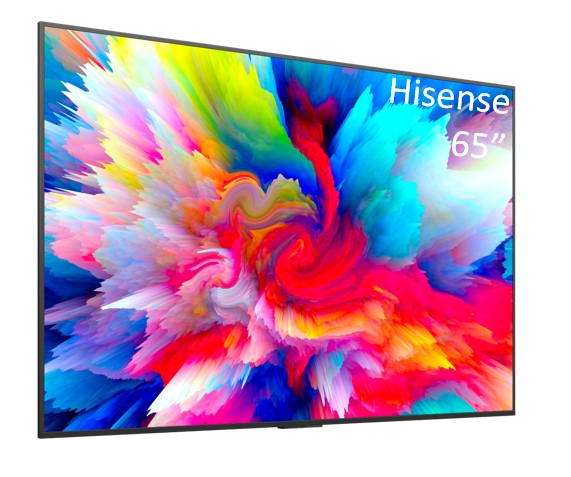
Hisense Digital Signage 50", 350 nits, 4k resolution, UHD, with 7day x 16hrs operation, Android 9 OPS- 50DP30FE
R12,519.23
50DP30FE Low stock (3 left)
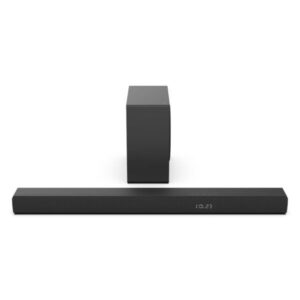
Hisense
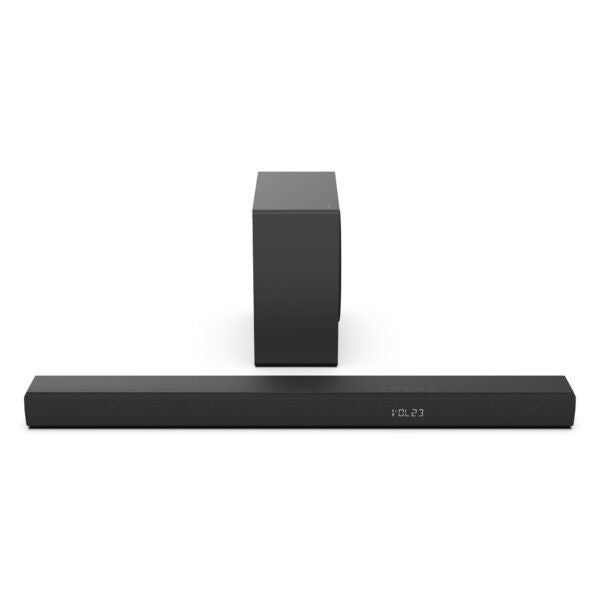
Hisense Sound Bar, Bluetooth, 480W 3.1 Channel with Wireless Subwoofer - HS3100
R3,177.14
HS3100 Out of Stock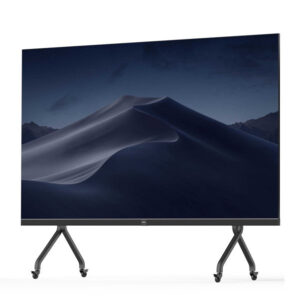
Hisense
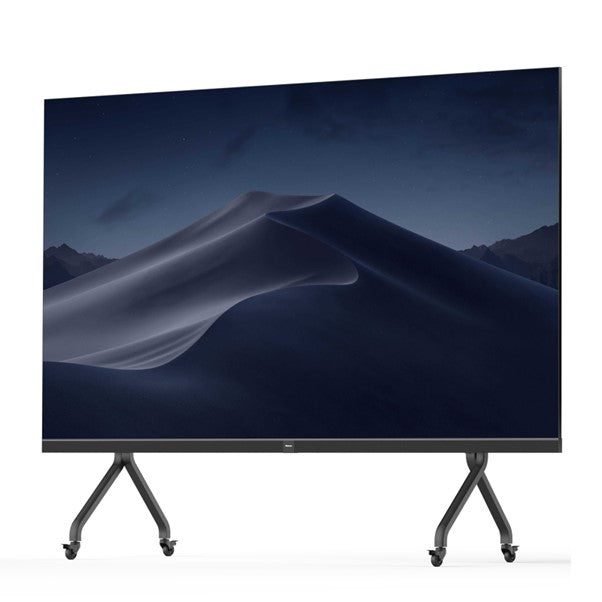
Hisense AlI-In-One LED, 163", FHD 1920x1080P resolution, Android 9.0 OPS - HAIO163DE
R662,231.19
HAIO163DE Out of Stock
Hisense
Low stock (2 left)
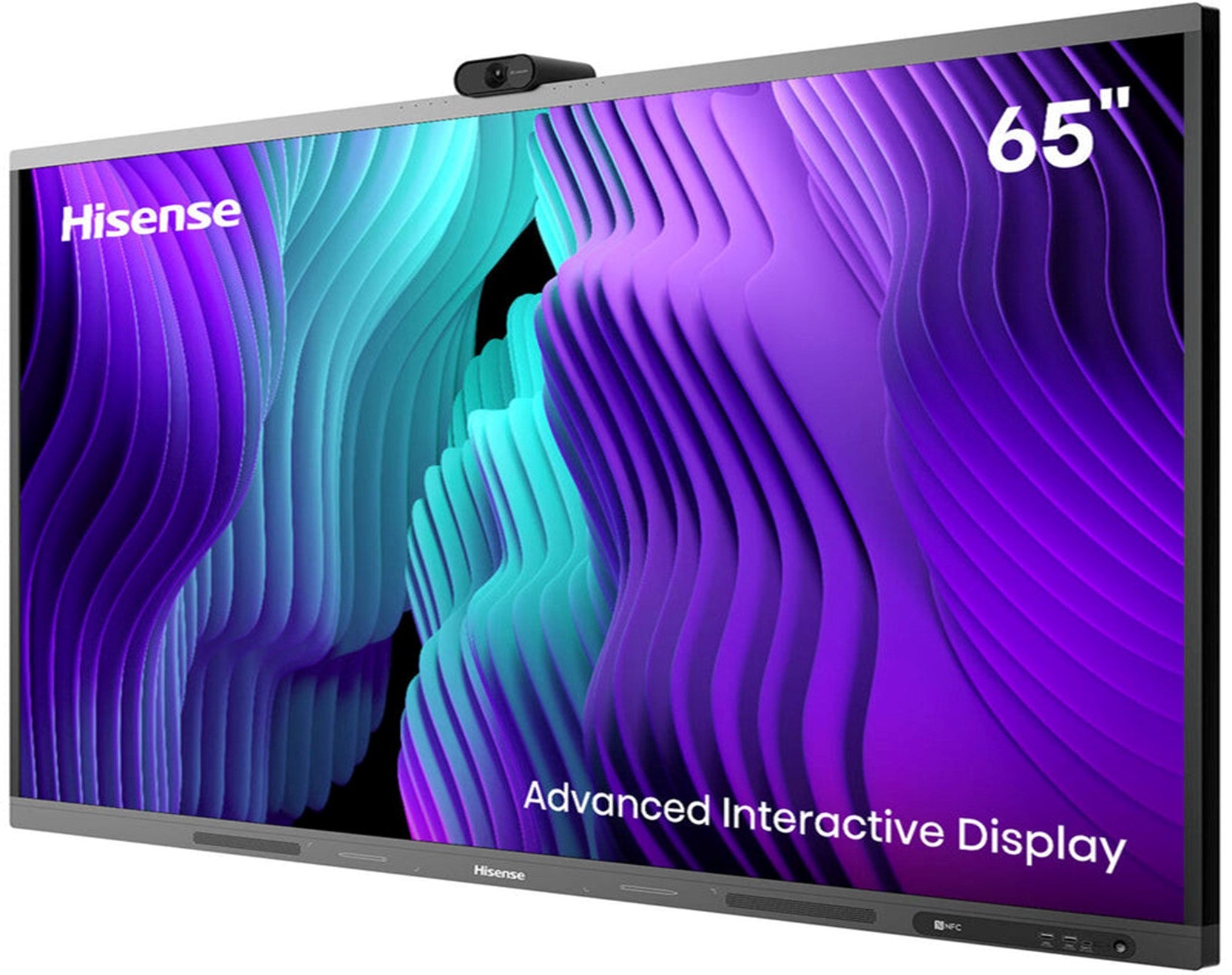
Hisense Interactive Panel, 65", 4k resolution, 400 nits, Android 13.0 - 65WM6FE
R47,337.77
65WM6FE Low stock (2 left)
Reviews
There are no reviews yet.