All Categories
- ATEN
- EPSON
- HISENSE
-
AV Signal Distribution
In AV Signal Distribution
- JK
-
Screens
In Screens
-
Projector
-
Cables
In Cables
- DTECH
- Business
- VISION
-
Projector Bracket
In Projector Bracket
-
Digital Signage Solutions
In Digital Signage Solutions
Brands
-
Audio
In Audio














All Categories
- ATEN
- EPSON
- HISENSE
-
AV Signal Distribution
In AV Signal Distribution
- JK
-
Screens
In Screens
-
Projector
-
Cables
In Cables
- DTECH
- Business
- VISION
-
Projector Bracket
In Projector Bracket
-
Digital Signage Solutions
In Digital Signage Solutions
Brands
-
Audio
In Audio

BROWSE CATEGORIES
Help
BOOM
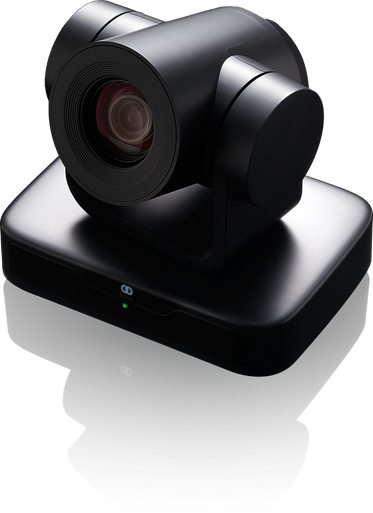
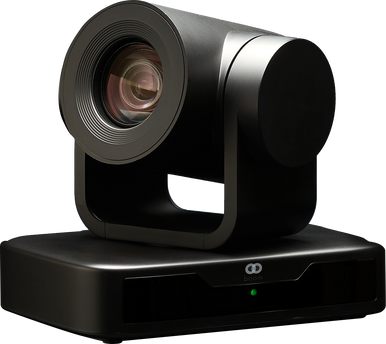
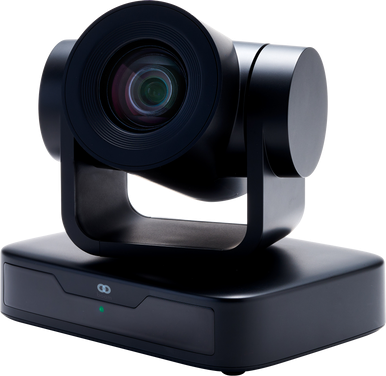
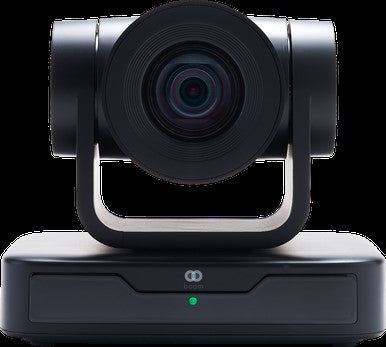
Boom Midi PTZ Huddle/conference Camera, Full HD, 77° FOV, Auto-focus – BM011040
R8,217.71
A USB pan, tilt and zoom camera for rooms that need optical close-ups and stored views. It has no microphone or speaker, so audio comes from a separate device.
- 1920 x 1080 at 30 fps, 77° field of view
- 10x optical plus 10x digital zoom
- Pan ±170°, tilt ±30°, 255 presets
- USB 2.0 video; VISCA or Pelco-P/D over RS232 or RS485
- Brand :Boom
- SKU :BOOM-BM011040
- Category :BOOM
- Availability :
 In Stock
4 in stock
The Boom MIDI (BM01-1040, BM011040 in our title) is a motorised pan, tilt and zoom camera that sends 1920 x 1080 at 30 fps to a meeting PC over USB 2.0. With 10x optical zoom and 255 presets, one camera can hold a wide shot of the room and switch to a presenter, a lectern or a whiteboard.
It is a camera only, with no microphone, speaker or automatic framing. The room also needs a USB speakerphone or microphone system on the same PC, and the remote or a control system to aim it.
Optical zoom, pan and tilt
Zoom is 10x optical, the figure that matters for close-ups; Boom’s 20x total includes a further 10x digital. At its widest the view is 77°, narrower than the 120° of Boom’s video bars, and the motorised head aims that view by panning 170° each way and tilting 30° up or down.
Focus runs automatically, manually or as a one-push adjustment. The 1/2.9-inch Panasonic CMOS sensor (2.07 MP) is rated at 55 dB SNR or better, and the image settings include white balance, gamma curve, a black-and-white mode and low-light optimisation.
Presets, the remote and control systems
The infrared remote stores and recalls 10 presets. The camera holds 255, reachable from a control system that sends VISCA or Pelco-P/D commands over the RS232 or RS485 port; an RS232 cable is in the box. A room might keep one preset for the whole table, one for the lectern and one for the whiteboard, recalled from the remote or a wall panel during the call. Boom’s datasheet does not include the command set, so your programmer will need it from Boom.
Audio: what the room needs alongside the camera
Sound has to come from a separate device on the same computer: in the meeting app you pick the MIDI as the camera and that device as microphone and speaker. For a small table, the Boom Giro Pro speakerphone connects by USB, and Boom gives it a 3 m (10 ft) pickup range. Seats further than that from the speakerphone fall outside its rating, so a long table needs more microphones or a system with more reach.
Connecting, power and mounting
Video leaves the camera over USB 2.0 as a UVC device, the standard USB video class. Boom lists Windows, macOS and Linux, and Zoom, Microsoft Teams, Webex and Google Meet, as compatible. The box holds a USB Y cable with USB-A at the computer end and a 12 V DC power supply; the camera draws 1 A at most. If the PC is out of the cable’s reach, look in our USB extenders range for a model its maker approves for USB video cameras.
The base has a 1/4-inch tripod thread, and Boom sells optional wall and ceiling brackets for the MIDI. The camera measures 157 x 113 x 140 mm and weighs 1 kg. Boom does not say whether the image can be flipped for an upside-down ceiling installation, so check before planning one.
The MIDI or a video bar such as the Boom Aura
The Boom Aura video bar combines a 4K, 120° camera, auto-framing, voice tracking, microphones and speakers in one USB device, and Boom pitches it at small to medium rooms. The MIDI gives up that width and the built-in audio for optical zoom and a head you aim and recall exactly. That suits long rooms, presenter positions and whiteboards that a fixed wide-angle bar shows too small.
Key specifications
| Sensor | 1/2.9-inch Panasonic CMOS, 2.07 MP |
|---|---|
| Video | 1920 x 1080 at 30 fps |
| Field of view | 77° |
| Zoom | 10x optical, 10x digital |
| Pan and tilt | Pan ±170°, tilt ±30° |
| Presets | 255 (10 from the IR remote) |
| Focus | Auto, manual or one-push |
| Video output | USB 2.0, UVC; H.265, H.264, MJPG |
| Control | RS232, RS485 (VISCA, Pelco-P/D), IR remote |
| Power | 12 V DC ±10%, 1 A maximum |
| Size and weight | 157 x 113 x 140 mm, 1 kg |
| In the box | Camera, USB Y cable, RS232 cable, IR remote, power supply, quick guide |
Questions about the Boom MIDI
Does the Boom MIDI have a built-in microphone?
No. Boom’s specifications list no microphone or speaker, and the rear panel in its datasheet shows only control, USB and power connections, with no audio jack. Pair it with a USB speakerphone or microphone system on the same computer. For camera, microphones and speakers on one cable, a video bar such as the Boom HALO is the simpler choice.
Does the MIDI follow the person speaking?
No. Boom lists no auto-framing or speaker tracking for the MIDI, so it holds the view you set until someone moves it with the remote, a preset or a control system. For hands-free framing, a video bar with automatic framing is the better fit.
Is the 20x zoom optical?
Half of it. The lens gives 10x optical zoom and the camera adds 10x digital zoom on top. Optical zoom keeps the full 1920 x 1080 detail, while digital zoom enlarges a crop of the sensor image, so quality drops once you go past 10x.
Can the MIDI feed HDMI or stream over the network?
No. Boom lists USB 2.0 as the only video output, and the RS232 and RS485 ports carry control, not video. The MIDI fits rooms where the camera plugs into a PC running the meeting software; a lecture capture or vision mixer setup that expects HDMI, SDI or NDI needs a different camera.
You must be logged in to post a review.
You may also like these
Aten
Reviews
There are no reviews yet.