All Categories
- ATEN
- EPSON
- HISENSE
-
AV Signal Distribution
In AV Signal Distribution
- JK
-
Screens
In Screens
-
Projector
-
Cables
In Cables
- DTECH
- Business
- VISION
-
Projector Bracket
In Projector Bracket
-
Digital Signage Solutions
In Digital Signage Solutions
Brands
-
Audio
In Audio






All Categories
- ATEN
- EPSON
- HISENSE
-
AV Signal Distribution
In AV Signal Distribution
- JK
-
Screens
In Screens
-
Projector
-
Cables
In Cables
- DTECH
- Business
- VISION
-
Projector Bracket
In Projector Bracket
-
Digital Signage Solutions
In Digital Signage Solutions
Brands
-
Audio
In Audio

BROWSE CATEGORIES
Help
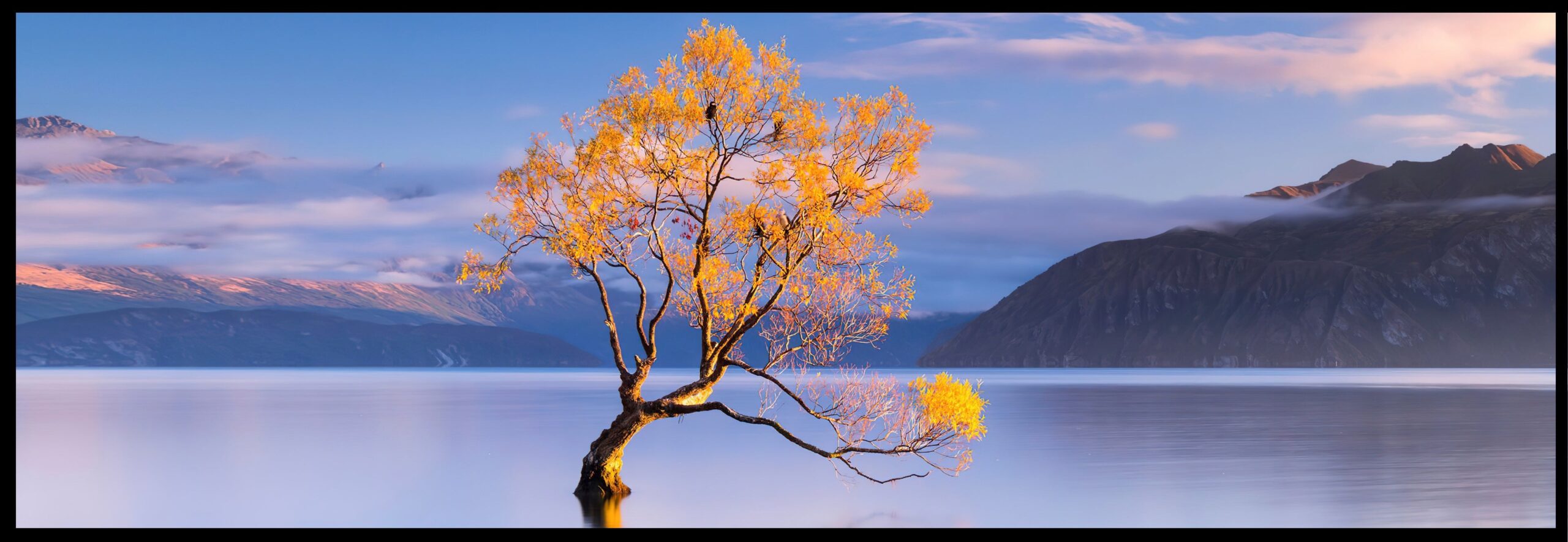
ALR
JK Soft Ambient Light Rejection Thin Frame Screen, 120″, 32:9 Aspect Ratio – F9120ALRS
R24,188.12
A 120" ambient light rejecting screen in a slim black frame, listed as 32:9 for two 16:9 pictures side by side, though JK's dimensions do not yet agree.
- Image area, size and weight not confirmed: JK's figures describe a 16:9 shape
- A true 32:9 screen is twice the width of 16:9 at the same height
- Three-layer ALR surface that absorbs overhead light
- Laser or short-throw laser projectors, on JK's advice
- Brand :JK
- SKU :JK-F9120ALRS
- Category :ALR
- Availability :Out of Stock
Out of stock
The JK F9120ALRS is an ambient light rejecting (ALR) screen with a 120″ (305 cm) diagonal, in a slim black fixed frame, listed in the 32:9 format. A true 32:9 screen is as wide as two 16:9 pictures side by side at the same height, so it would suit two projectors, showing separate sources or blended into one picture.
JK’s own dimensions do not support that label, though: the image area on its sheet is a 16:9 shape. Treat the size, shape and weight of this screen as unconfirmed until JK settles it.
JK’s size and weight figures describe a 16:9 screen
At 120 inches, a 32:9 image would measure about 2934 x 825 mm. JK’s sheet instead gives the F9120ALRS a 266 x 149.5 cm image area and 2684 x 1524 mm overall, within 5 mm of what it lists for the JK F9120ALR 120″ 16:9 hard ALR screen. The 47.5 kg net weight is the 16:9 model’s figure too. The sheet cannot be right about both the format and the size, so do not set projector mounts, wall fixings or a recess to either set of numbers yet.
The product title calls the surface soft, but JK’s sheet says neither soft nor hard, and the listed weight is that of the 16:9 model we sell as a hard ALR screen. The surface type is unconfirmed as well.
Two projectors on a 32:9 surface
If the screen is 32:9, each half can take a 16:9 picture from its own projector, or two projectors can be blended into one wide image. A single continuous picture needs projectors with edge blending, which Epson describes as tuning the overlap between the images until the two show no visible join. Because the images overlap, two 16:9 pictures at full height cover less than the 32:9 width, so each projector throws more than half the screen. Work out picture sizes and mount positions from the projector maker’s multi-projection guidance once the real screen size is known.
Epson’s automatic tint and brightness matching between projectors has conditions, among them a matt white diffusion screen and an overlap it recommends at 15 to 45% of the image width. On an ALR surface, plan to match the two projectors by hand, which Epson’s projectors also allow.
Room light and projector position
By JK’s account the surface has a reflective base, a micro-layered lens layer that soaks up light falling from overhead, and a diffusion layer for light striking from the sides. It separates room light from the image only when the two arrive from different directions, so ceiling fittings near the screen are the light it deals with best, and a lamp shining from behind the projectors gets little help.
JK recommends laser or short-throw laser projectors and draws a single projector on a ceiling mount in front of the screen; a blended pair would mean two such mounts. Nothing from JK covers ultra short throw (UST) projectors firing up from below. ALR layers sort light by the direction it comes from, so a projector placed at an angle the surface was not made for loses much of its own picture too.
Key specifications of the JK F9120ALRS
| JK model number | JK-F9120ALRS |
|---|---|
| Diagonal | 120″ (305 cm), as listed |
| Format | 32:9 as listed (twice the width of 16:9) |
| Image area | Not confirmed (JK’s figure is a 16:9 shape) |
| Overall size | Not confirmed |
| Net and packed weight | Not confirmed |
| Frame | Slim fixed frame, black |
| Surface | Three-layer ALR; soft or hard not confirmed |
| Projector type JK recommends | Laser or short-throw laser |
| Gain and viewing angle | JK gives none |
Questions about the JK F9120ALRS
Can one 16:9 projector fill the F9120ALRS?
Not if it is 32:9 as listed. At the screen’s full height a 16:9 picture covers half the width, and widening it to the full width would put half of the picture above and below the frame. If the screen turns out to match the 16:9 dimensions on JK’s sheet, a single 16:9 projector would fill it.
Do I need projectors with edge blending for this screen?
Only for one continuous image across the full width, and only if the screen is 32:9. Two separate 16:9 sources can sit side by side from two ordinary projectors, each filling one half. Epson lists edge blending on its installation series such as the EB-L1000 and EB-L1500.
Is the F9120ALRS suitable for ultra short throw projectors?
Not on JK’s information. JK only recommends laser and short-throw laser projectors and only shows a ceiling mount in front, so light from a UST unit below the image would strike the ALR layers from an angle JK never addresses. If UST is your projector type, our ALR screens include models rated for it by their makers.
How does the F9120ALRS compare with the 21:9 F9120ALRW?
The F9120ALRW’s figures are consistent with its format: the JK F9120ALRW 21:9 ALR screen has a 2800 x 1200 mm image for scope films from one projector and weighs 14 kg net. The F9120ALRS is listed as 32:9 for two images side by side, but its size and weight are not yet confirmed.
32:9
| Diag. Size (inch) | 120” |
|---|---|
| Viewing area W x H (mm) | 266x149.5cm |
| Screen Length (mm) | 2684 |
| Screen Height (mm) | 1524 |
| Packaging Dimension L x W x H | 2790x169x80 |
| Net Weight (kg) | 47.5 |
| Gross Weight (kg) | 104 |
| Manu Model # | JK-F9120ALRS |
You must be logged in to post a review.
You may also like these

Hisense
Hisense Ambient Light Rejection Frame Screen, 150", 16:9 Aspect Ratio - DLT150B
R69,484.80
DLT150B Out of Stock
JK
 In Stock
JK Fixed Frame Screen, 119", 16:9 Aspect Ratio, Matt White Fabric - F9119
R8,763.86
F9119 In Stock
Hisense
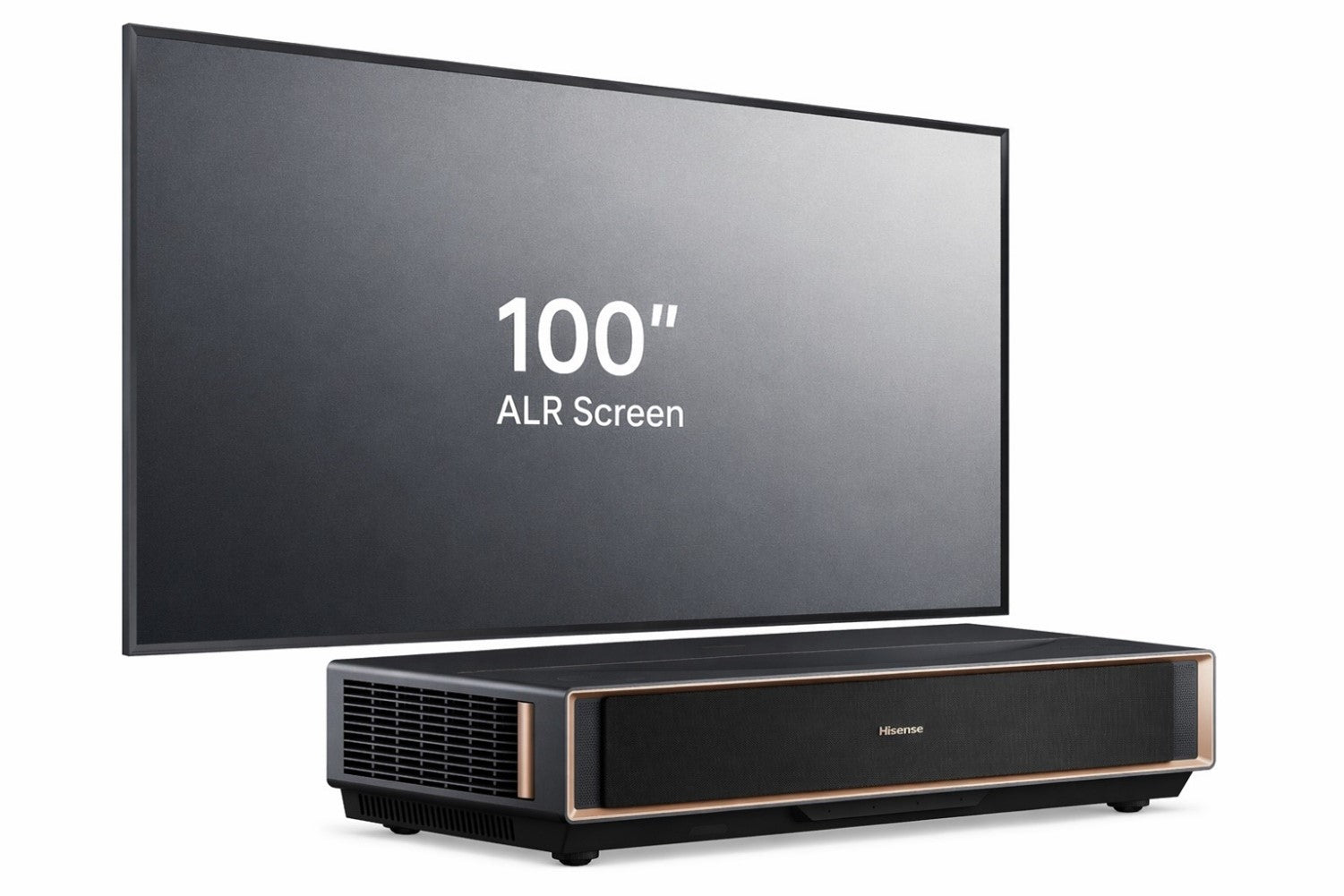
Hisense Laser Projection TV, 2500 Ansi Lumens, 4K resolution, UST, Incl 100" ALR - 100PT1
R37,337.08
100PT1 Out of Stock
JK
In Stock
JK Manual Pull Down Screen, 133", 16:10 Aspect Ratio, Matt White Fabric, Screen control - M10133SC
R6,159.37
M10133SC In Stock

Hisense
Hisense Ambient Light Rejection Frame Screen, 100", 16:9 Aspect Ratio - DLT100B1
R13,896.75
DLT100B1 Out of Stock


JK
Reviews
There are no reviews yet.